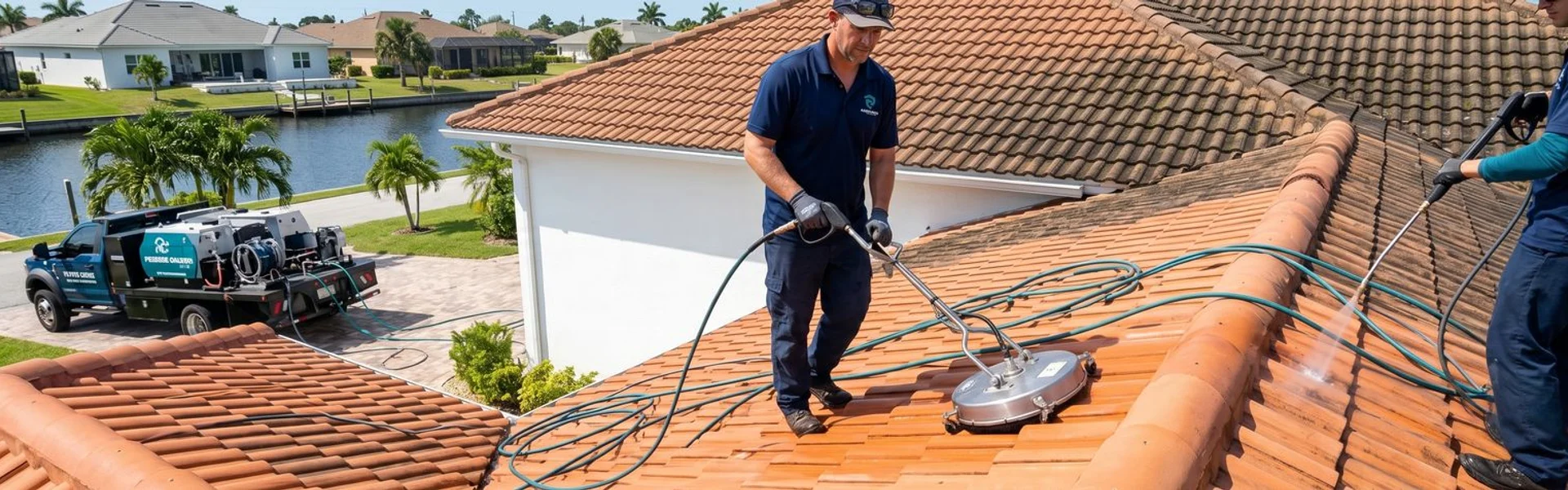
How to Clean Hurricane Impact Windows Safely
Hurricane impact windows are laminated glass — abrasive cleaners damage seal. Here's the safe SWFL method.
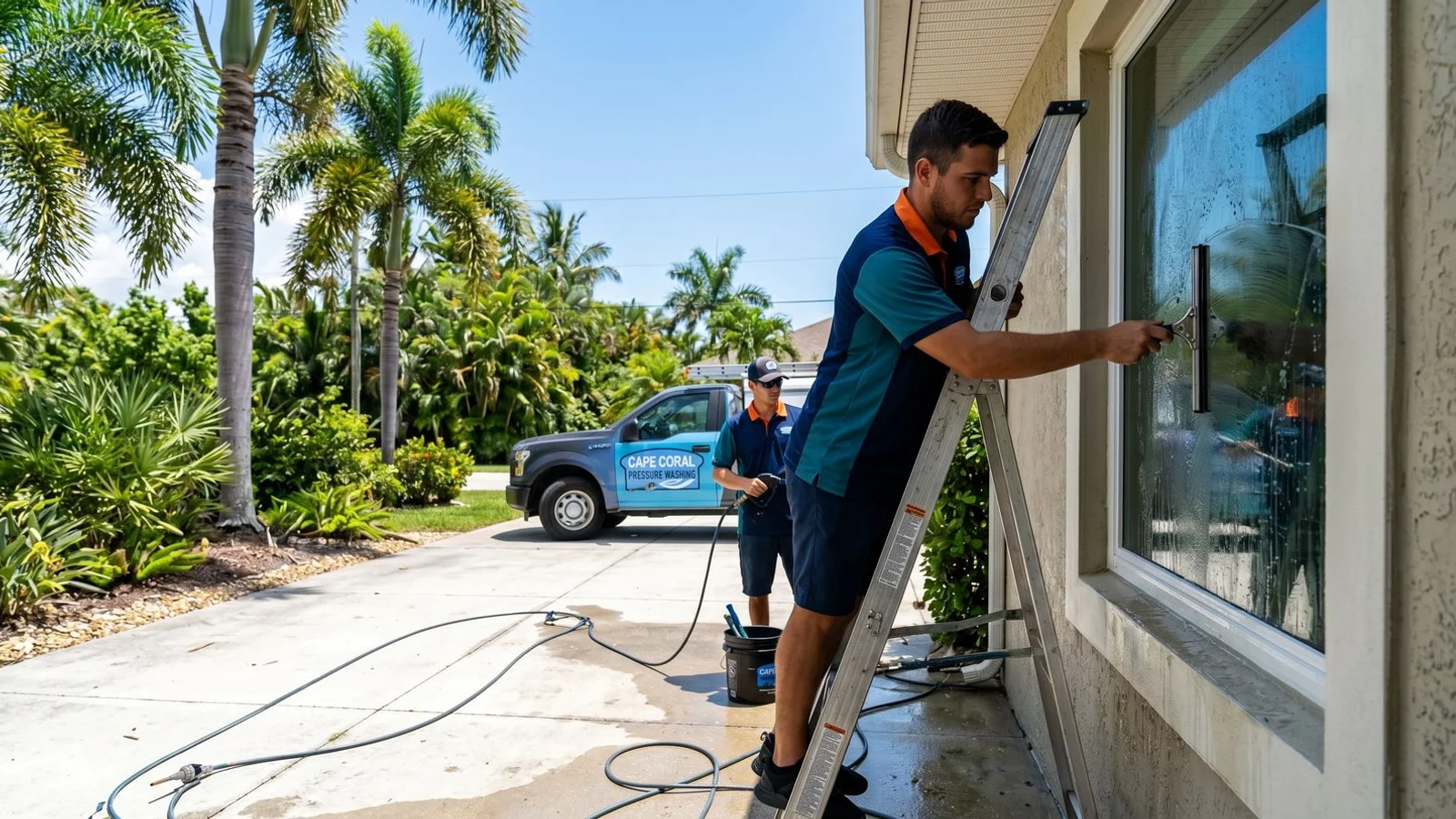
Hurricane impact window cleaning requires a slightly different approach than washing standard glass. We see these heavy-duty units as a major investment, with 2026 installation costs running $800 to $1,500 per window in Florida.
This level of protection during named storms demands specific care to keep the warranty intact. Our team constantly encounters expensive damage caused by standard window washing methods.
Replacing a single fogged window with a blown seal now averages $750.
This guide breaks down the exact steps to clean your investment without degrading the laminated glass or sensitive frame seals.
What Makes Impact Windows Different
Impact windows are highly engineered systems built to survive extreme pressure. We want you to understand exactly what you are cleaning before you pick up a squeegee.
A standard pane of glass is just a single brittle layer. Our preferred hurricane-rated models feature a complex assembly designed to pass strict building codes, like the Miami-Dade Notice of Acceptance.
- Two separate panes: A sacrificial exterior layer and a protected interior layer.
- PVB interlayer: A 0.090-inch thick Polyvinyl Butyral membrane that bonds the glass and catches debris.
- Heavy-duty sealed framing: Specialized silicone gaskets rated for massive wind pressure.
- Compression fasteners: Structural hardware holding the entire assembly under constant tension.
The laminated glass is the secret to that coveted impact rating. We know that any damage to the PVB interlayer or compromised frame seals will completely ruin the window’s performance. A weakened seal might fail exactly when a category 4 storm hits your neighborhood.
What Damages Impact Windows
Using the wrong tools will instantly void your manufacturer warranty. We frequently get calls to fix cloudy glass, only to discover the homeowner accidentally destroyed their own windows. Certain chemicals and techniques dissolve the protective layers faster than extreme weather.
| Cleaning Method | What It Damages | The “Why” |
|---|---|---|
| Pressure Washing | Frame Seals & Gaskets | Consumer washers hit 4,000 PSI, blowing out seals meant to handle wind, not water lasers. |
| Ammonia (Windex) | PVB Interlayer & Tints | The high pH of 11.6 chemically burns and clouds the laminated plastics. |
| Abrasive Pads | Exterior Glass Surface | Steel wool creates permanent micro-scratches that weaken structural integrity. |
The golden rule is incredibly simple. Our crews never use any cleaning approach more aggressive than hand-washing with a soft cloth and a rubber squeegee. Anything stronger is a costly mistake.
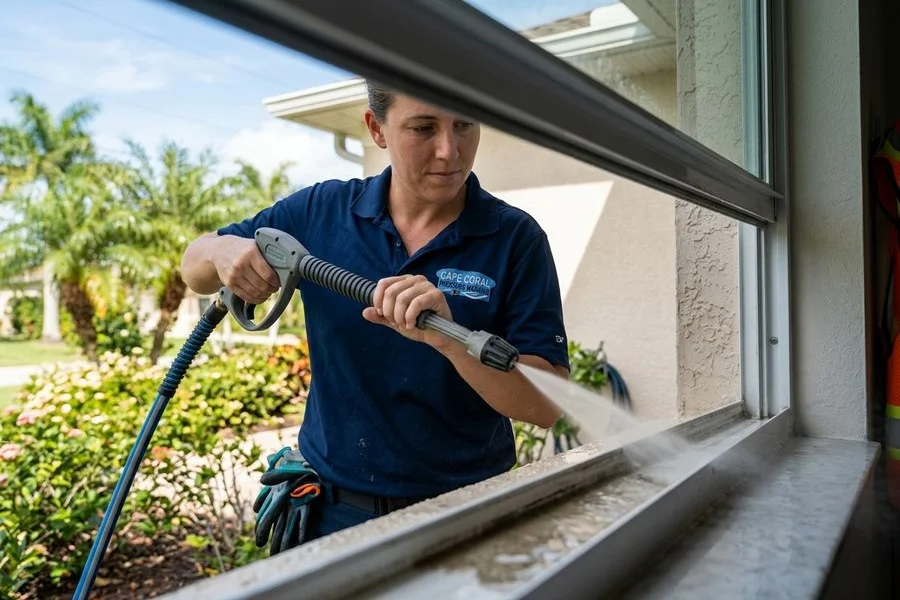
Our Method
Laminated glass cleaning requires a gentle, deliberate process. We developed this specific routine to protect the sensitive PVB edges and the heavy-duty framing.
Your garden hose puts out around 50 PSI, which is the perfect pressure for rinsing. Our standard procedure avoids harsh chemistry entirely.
- Detailed frame inspection: Look closely for cracked seals or lifting gaskets before any water touches the glass.
- Low-pressure pre-rinse: Use normal tap water to float away loose dust, sand, and abrasive dirt.
- Hand application: Wipe on a non-abrasive, pH-neutral cleaning solution using a soft microfiber towel.
- Professional squeegee finish: Glide a clean silicone or rubber squeegee across the pane for a streak-free result.
- Frame and seal wipe: Use a dry microfiber cloth to clean the aluminum or vinyl frames without pushing water into the seals.
- Final spot check: Inspect the corners and weep holes for any trapped moisture or streaks.
This process removes stubborn dirt without risking a $750 seal failure. We treat impact window cleaning exactly like detailing a luxury car. The extra care around the weatherstripping guarantees your home stays protected.
What SWFL Climate Does to Impact Windows
Southwest Florida presents a hostile environment for exterior building materials. We battle three specific local issues that constantly attack glass surfaces.
Salt Spray (Coastal Homes)
Properties within five miles of the Gulf of Mexico receive a daily coating of airborne salt. We see this corrosive residue eat through aluminum fasteners in a matter of months. Salt chemically etches the glass if left sitting, creating permanent hazy spots.
Our coastal clients usually schedule quarterly cleanings to stop this expensive degradation. The salt also bonds with natural debris to form a sticky, hard-to-remove crust.
Pollen Seasons
Spring brings massive clouds of yellow dust from local oak and pine trees. We notice the heaviest buildup peaking between February and May across the region. This pollen forms a sticky, organic film that bonds aggressively to warm glass.
Standard rain showers simply cannot wash this film away. Our technicians have to manually scrub the residue using a mild detergent to restore clarity.
Hard Water Spotting
Municipal water in Cape Coral and Fort Myers is notoriously hard. We frequently measure Total Dissolved Solids (TDS) levels hovering around 200 parts per million in local tap water. Irrigation overspray leaves heavy calcium and magnesium deposits right on your windows.
Our team warns homeowners that these white mineral spots will permanently etch the glass once baked by the afternoon sun. Each dried spot creates a microscopic crater, making the next water drop cling even harder.
Frame and Seal Care
The glass only does half the work during a hurricane. We prioritize cleaning the frames and weather seals because they physically hold the heavy panes inside your house.
- Frame cleaning: Wipe down the tracks using a soft cloth and a mild, ammonia-free cleaner.
- Seal inspection: Check the rubber gaskets for any visible cracking, shrinking, or pulling away from the glass.
- Fastener check: Inspect the visible screws for coastal corrosion, which weakens the structural hold.
- Drainage holes: Clear out the bottom weep holes so trapped rainwater can properly escape the track.
Compromised frames significantly lower the actual impact rating of the unit. We catch minor seal issues during routine washes, saving homeowners from catastrophic failures down the road. Regular maintenance keeps the tension exactly where it needs to be.
Salt Residue Removal
Coastal salt requires a specific removal technique to avoid scratching the surface. We never wipe a salty window dry, because the microscopic crystals act just like sandpaper. A heavy volume of fresh water is required to properly dissolve the hardened deposits.
Our process neutralizes the salt without pushing corrosive runoff deep into the window tracks.
- Flood the glass with a fresh water pre-rinse to melt the surface salt.
- Wash the pane gently using a neutral pH soap solution.
- Perform a thorough final rinse to wash away any remaining chemical residue.
- Hand-dry the frames carefully to prevent new salt deposits from forming in standing water.
Heavy accumulation from a recent tropical storm might require two complete passes. We always advise rinsing your windows lightly with a garden hose after any major coastal wind event.
When Cleaning Reveals Damage
A thorough wash often uncovers hidden issues that dirt previously concealed. We document everything we find so you can take immediate action. Catching these problems early often means the difference between a simple warranty claim and a massive repair bill.
- Visible scratches: Permanent scoring on the glass should be noted immediately for warranty consideration.
- Fogging between panes: Condensation inside the glass means a total seal failure, requiring a manufacturer replacement.
- Frame damage: Bent tracks or heavy corrosion will require a consultation with the original installer.
- Loose hardware: Wobbly handles or stiff locks usually need professional adjustment or lubrication.
A professional cleaning crew will spot these warning signs before they become emergencies. Our service includes a full walk-around, though structural repairs are left to the specialized installation companies.
Cadence Recommendation
Maintaining laminated glass in Florida requires a consistent schedule. We base these timelines on real-world local conditions and manufacturer guidelines.
- Inland Cape Coral: Wash the exteriors twice yearly to remove dust and hard water.
- Coastal homes: Clean quarterly to neutralize corrosive salt spray.
- Tree-canopied properties: Schedule twice yearly, plus one targeted spot cleaning right after the May pollen peak.
- Pre-listing or photography: Book the service one to two weeks before the cameras arrive.
Following this schedule extends the lifespan of the weatherstripping. We find that homes adhering to these timelines rarely suffer from premature seal degradation.
Bundle with House Wash
Combining exterior services is the smartest way to manage property upkeep. We highly recommend bundling your impact window cleaning with a comprehensive house soft wash. This method removes the mold and algae from your siding while we are already on-site.
- Both services are completed by the exact same crew in a single visit.
- Homeowners typically see 10% to 15% savings compared to booking separate appointments.
- The entire exterior gets a simultaneous refresh, preventing dirty siding runoff from ruining clean glass.
Consolidating these tasks saves you time and money. Our bundled packages are incredibly popular right before the busy winter holiday season.
Get a Quote
Finding a reliable team to protect your property shouldn’t be stressful. We provide the highly specialized impact window cleaning swfl homeowners rely on to maintain their warranties.
For impact window cleaning in Cape Coral and SWFL, request a free quote.
See Window Cleaning for the full service details and pricing options. We are ready to answer any questions about protecting your specific type of glass.
Related Service
Window Cleaning →Spot-free exterior window cleaning with screens and sills included, safe for hurricane impact glass and laminated panes.